

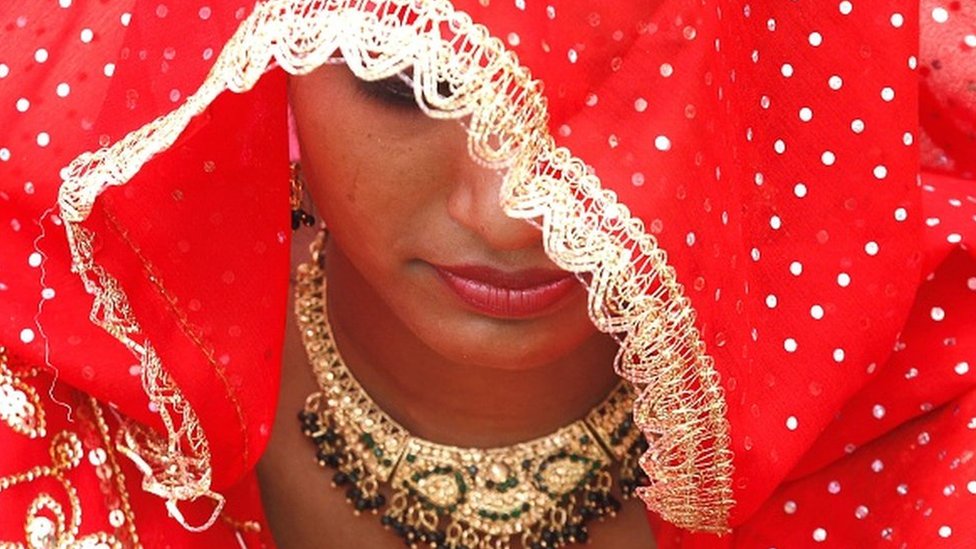
The bride’s dowry carries within its gilded promises the accumulated weight of centuries, not merely the physical burden of gold bangles and porcelain tea sets, but the invisible architecture of expectation, the coded language of a woman’s supposed worth measured in material offerings. In Singapore’s gleaming modernity, where tradition bends but never breaks, these ancient rituals persist with the tenacity of memory itself, demanding examination of what we inherit and what we choose to carry forward.
The Archaeology of Expectation
What is a dowry but an economic poem written in the grammar of patriarchy? Each carefully chosen object tells a story not of the bride’s desires, but of her family’s anxiety about her future security. The traditional wedding dowry functions as both an insurance policy and a performance, a demonstration of the bride’s family’s capacity to provide.
In Singapore’s Chinese communities, “the bride’s dowry” will also be presented during the Hui Li to the groom’s family as a symbol of the wealth and prosperity of the bride’s family, and to bless the couple’s marriage with happiness and prosperity. Yet beneath this ceremonial exchange lies a more complex transaction: the transformation of women into repositories of familial honour, their worth quantified through accumulated objects.
The Material Lexicon of Female Value
The contemporary marriage dowry speaks a particular language, one fluent in symbolism yet silent about the labour that created it. Consider the prescribed elements:
- Tea set for wedding ceremonies: Domesticity crystallised in porcelain, the expectation of service made manifest
- Five-piece descendant pail set: Fertility reduced to functional objects, motherhood anticipated before the marriage bed is even shared
- Sewing basket with coloured threads: The assumption that women’s hands exist primarily to mend, to create, to maintain
- Gold jewellery from parents: Wealth worn on the body, security that can be pawned in desperate times
Each item carries its historical weight. “The bride’s dowry items should not be touched by pregnant ladies or children to avoid any clash in fortunes” Even the dowry’s preparation requires women to police other women’s bodies, maintaining the purity of objects meant to ensure a woman’s successful transition from daughter to wife.
The Economics of Belonging
But who benefits from this elaborate theatre of exchange? The bridal dowry functions as a curious form of capital, neither fully belonging to the bride who carries it nor to the family who receives it. The bride becomes a courier of her commodification, delivering the proof of her family’s investment in her marriageability.
In Singapore’s pragmatic adaptation of tradition, “the Bride’s Dowry is more than just material possessions; it represents the blessings, hopes and aspirations of the bride’s family for the newlyweds”. This sanitised interpretation obscures the uncomfortable truth: that dowries have historically functioned as compensation for the economic burden wives were presumed to represent.
The Modern Metamorphosis
Contemporary Singapore couples navigate these traditions with varying degrees of rebellion and compliance. Some embrace miniaturised versions of traditional items, acknowledging the ritual whilst rejecting its full material demands. Others abandon the practice entirely, viewing it as an outdated performance of gender inequality.
Yet the persistence of dowry traditions reveals something profound about collective memory. These objects carry forward not just material value but the accumulated dreams and fears of generations of women.
The Weight of Inherited Expectations
What does it mean to inherit a tradition that simultaneously honours and diminishes you? The modern bride confronting dowry expectations faces an impossible choice: reject the practice and risk being seen as ungrateful, or participate in a system that positions her as an economic burden requiring compensation.
The gold bangles passed down through generations become heavier with each transfer, not just with accumulated precious metal, but with stories of women who wore them, pawned them, and treasured them. Each bracelet contains the grandmother who saved to afford it, the mother who polished it whilst dreaming of her daughter’s wedding day.
The Radical Act of Reimagining
Perhaps the most subversive approach lies not in wholesale rejection but in conscious transformation. What if the wedding dowry became not a demonstration of the bride’s family’s wealth, but a celebration of the bride’s achievements? What if the tea set represented not anticipated domesticity but the leisure to enjoy beautiful objects?
Some Singapore families are quietly engineering such transformations, maintaining the ritual structure whilst subverting its underlying assumptions. They present dowries that reflect the bride’s interests rather than prescribed gender roles.
The Persistence of Performance
Yet even these adaptations cannot escape the fundamental problem: that women’s transitions into marriage continue to require elaborate material justification in ways that men’s do not. The groom brings himself; the bride brings herself, plus centuries of accumulated expectations made manifest in carefully curated objects.
The economics of dowry reveal uncomfortable truths about how societies value women’s contributions. The labour of accumulating dowry objects typically falls to the bride’s female relatives, creating chains of unpaid work.
Conclusion: The Weight We Choose to Carry
The question facing contemporary brides is not whether to engage with dowry traditions, but how to engage consciously. Recognition of these practices’ problematic histories should inspire critical examination of their contemporary expressions.
The most radical act may be approaching the marriage dowry with full awareness of its historical function whilst claiming agency over its contemporary meaning. To acknowledge that these traditions emerged from societies where women’s economic vulnerability required material insurance, whilst working to create societies where such insurance becomes unnecessary.
In the end, every object placed in a bride’s dowry carries the weight of choice, the choice to perpetuate systems that measure women’s worth through material accumulation, or to transform inherited practices into genuine celebration. The true measure of any contemporary bride’s dowry should be not its conformity to ancient expectations, but its reflection of a family’s commitment to supporting a woman’s agency in defining her worth.