
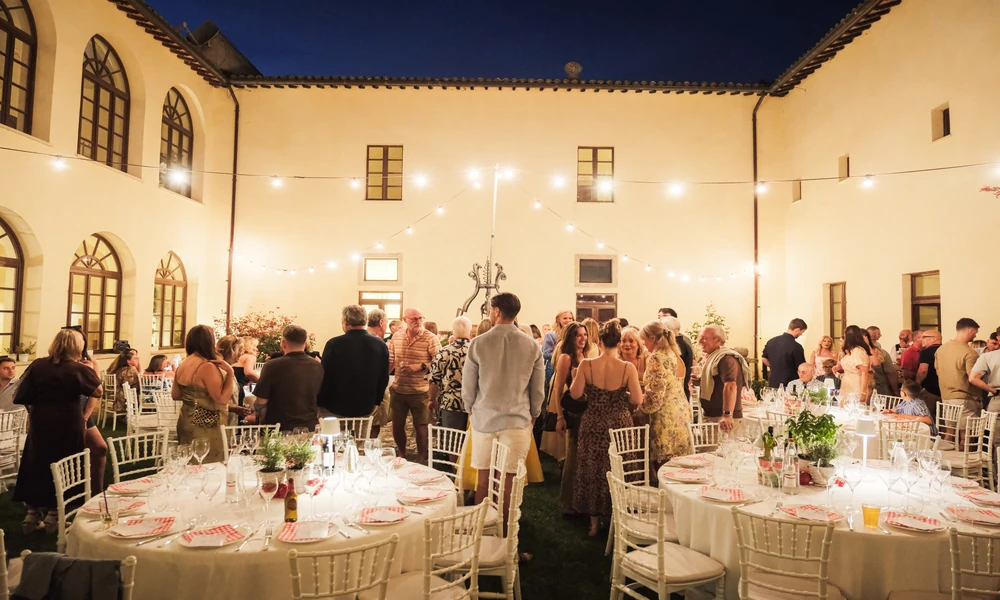
Italy is often pictured in summer sunlight, but winter can provide a compelling atmosphere for a wedding of its own. This guide looks at the decisions that make the experience practical, distinctive and enjoyable for international couples and their guests. Rather than offering a fixed formula, it considers the trade-offs that matter when planning in Umbria and elsewhere in Italy. The aim is to make choices based on the real setting, the season and the people attending.
The appeal of the quieter season
Winter can reveal a different side of Italy: historic interiors, soft light, seasonal food and a slower travel rhythm. Couples may appreciate the sense of intimacy that comes from gathering indoors while the countryside rests outside. Yet a winter wedding should be chosen for its character, not solely for the hope of lower prices. Availability, heating, transport and daylight all deserve close attention.
Make the indoor plan the main plan
For a winter celebration, indoor rooms should feel like the first choice rather than an emergency substitute. Visit or request detailed images of the ceremony space, dining room and areas for drinks. Check heating capacity, cloakroom arrangements and whether guests need to walk outside between buildings. A venue that works beautifully in summer may require significant changes in December or January. Comfort is the foundation of the atmosphere.
Work with short daylight hours
Photography schedules need to reflect early sunset and the possibility of overcast skies. Discuss the ceremony time with your photographer and identify indoor portrait locations. Lighting can then shape the evening: candles where permitted, warm fixtures and carefully placed lamps often work better than harsh overhead illumination. Remember that winter conditions may slow transfers, so build buffers into arrival and departure plans.
Let the menu follow the season
A winter wedding offers opportunities for comforting dishes, roasted vegetables, rich sauces and regional ingredients. Ask the caterer what is genuinely seasonal and how food will be served at the right temperature. A welcome drink can be warming without excluding guests who prefer non-alcoholic options. Avoid assuming that everyone wants a heavy meal; thoughtful alternatives and dietary accommodations remain important.
Check the full winter experience
Accommodation, transport and accessibility should be assessed together. Are rooms heated before guests arrive? Are pathways well lit and safe when wet? Is there somewhere comfortable for older relatives to rest? Couples comparing a winter wedding venue in Italy should request a complete indoor itinerary and contingency plan. When those basics are secure, winter’s quieter mood becomes a strength rather than a risk.
Winter also changes how guests pack and travel. A short note about footwear, outerwear and indoor temperatures can prevent discomfort without becoming prescriptive. Consider the needs of anyone arriving after dark and make arrival instructions particularly clear.
Before you commit
Ask the venue team how the property operates on a cold or wet day, not only how it looks in promotional winter photographs. Practical questions about heating, covered routes and staffing reveal whether the experience is truly designed for the season.
Putting the ideas into practice
A winter celebration can feel unusually warm and memorable precisely because it is designed around gathering together. Choose the season for its atmosphere, then plan responsibly for weather, daylight and guest comfort. The result can be elegant without depending on summer conditions.
A final planning note: request written confirmation of the arrangements that matter most, including the guest count, timing, weather alternatives and responsibilities of each supplier. Couples planning from abroad should allow additional time for questions and revisions. A clear, realistic agreement is a better foundation for a memorable event than any promise that everything will simply work out on the day.
One last consideration is how decisions will be communicated once the booking is confirmed. A concise schedule, a named contact for guests and written supplier responsibilities can prevent small misunderstandings from becoming problems. Ask for final details early enough to correct them, but avoid sending visitors a flood of updates. The strongest destination celebrations combine an unmistakable sense of place with clear information and flexibility. This practical balance gives the couple more freedom to enjoy the occasion and helps guests feel confident from arrival to departure.